
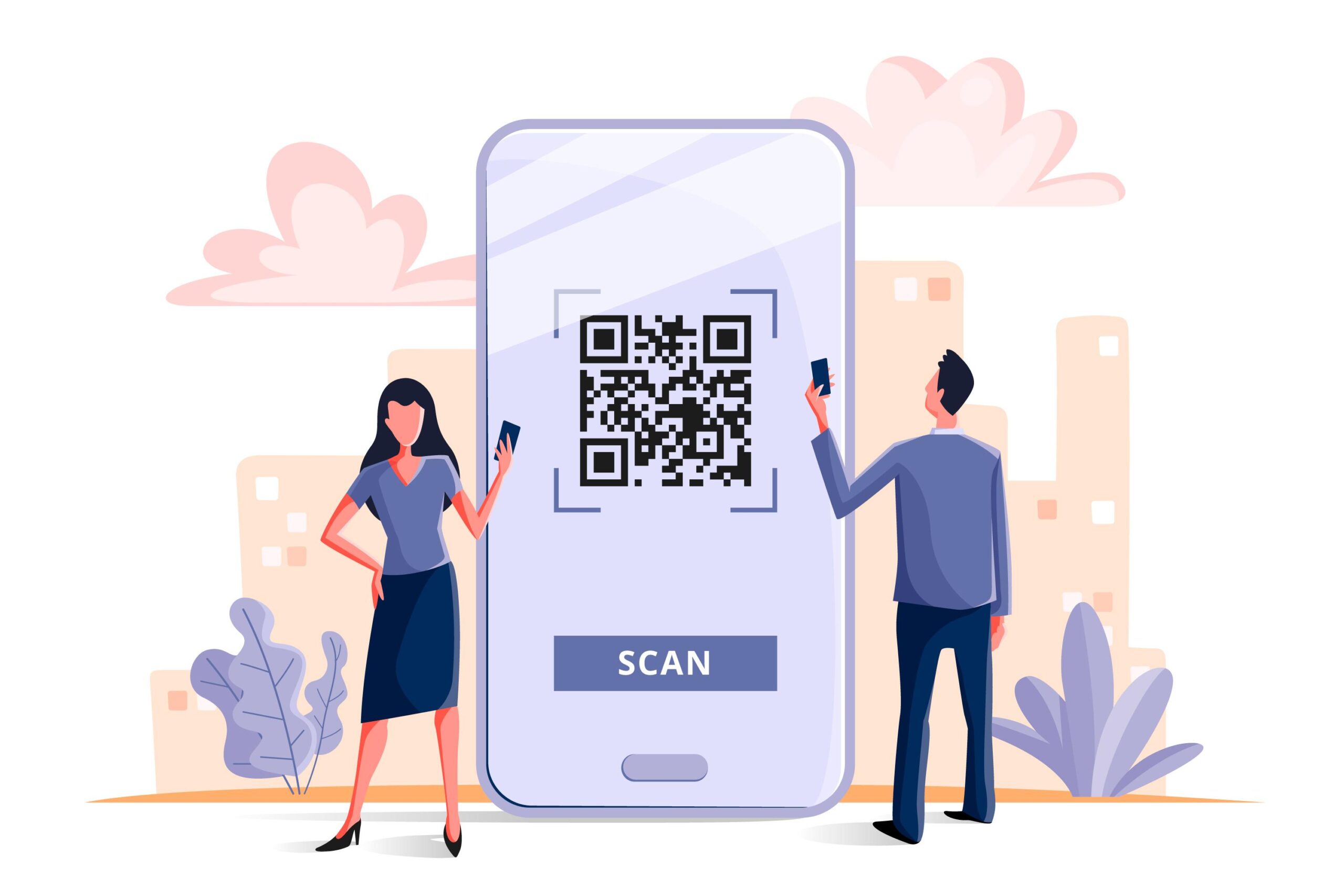
In today’s fast-paced digital world, businesses are always searching for innovative ways to engage with their customers. One tool that has seen a significant resurgence is the QR code. These small, square barcodes might look simple, but when used correctly, they can provide an instant bridge between the physical and digital worlds. At Safetech, we are passionate about helping UK businesses harness the power of digital marketing tools, including QR codes, to grow their brand and build meaningful connections with their audience.
At Safetech, we take pride in being a family-run, UK-based digital marketing agency offering bespoke Website Development, Design and Marketing services. Unlike agencies that rely on templates, every website and digital solution we provide is fully tailored to reflect your brand, attract the right audience and drive real results. In this blog post, we’ll explore how businesses can use QR codes the right way – to inspire trust rather than doubt – and highlight strategies that ensure your customers feel secure and confident when interacting with your brand. If you’d like more information about our services, trusted recommendations or a FREE quote, get in touch with our team today!
What is a QR Code?
A QR code, short for Quick Response code, is a type of barcode that stores information in a matrix of black and white squares. While traditional barcodes hold data in a linear format, QR codes are two-dimensional, which allows them to store much more information and be read quickly by a device, such as a smartphone. QR codes can store web links, contact details, event information, product details, and much more. They are a simple yet effective way for businesses to connect offline customers with online content, without requiring them to type lengthy URLs or search manually.
However, while many people appreciate the speed and ease of scanning, there are increasing concerns about scams and malicious links. This makes understanding how to use QR codes properly crucial for any business aiming to maintain customer trust.
How do QR Codes work?
At their core, QR codes are simply a visual representation of data that can be interpreted by a device. Here’s a step-by-step breakdown of how they work:
• Data Encoding
Information, such as a website URL, contact information, or product details, is encoded into a QR code using a QR code generator. The data is transformed into a pattern of black and white squares.
• Scanning
A user scans the QR code using a smartphone or tablet camera. Most modern devices have built-in QR code readers, eliminating the need for third-party apps.
• Decoding
The scanning device interprets the pattern of squares and decodes it back into the original information.
• Action
Once decoded, the device takes the appropriate action, whether it’s opening a website, displaying contact information, or initiating a download.
The simplicity and speed of this process are why QR codes have become so popular in marketing campaigns, retail experiences, menus, and even payment solutions. However, the rise in QR code scams – where malicious codes redirect users to harmful websites – underscores the need for businesses to use them responsibly and transparently.
The Right Way for Businesses to Use QR Codes
When integrated thoughtfully, QR codes can enhance user experience, streamline communication, and provide valuable insights into customer behaviour. But misuse or neglect can create doubt, especially in a world where cyber threats are increasingly common. Safetech’s guide ensures you leverage QR codes responsibly and professionally. By following best practices, businesses can not only drive engagement but also strengthen their reputation as trustworthy and customer-focused. Consistency, transparency, and careful monitoring are key to turning QR codes into an effective marketing asset, here’s how your business should be using QR codes for the best results…
1. Ensure Transparency
Clearly explain what the QR code does. For example, if a QR code links to a menu or a product page, include a small caption like “Scan to view our menu online.” Transparency builds confidence. Additionally, providing context reduces hesitation and encourages more users to engage with the QR code. Customers are more likely to trust your brand when they know what to expect. Clear instructions also minimise errors, ensuring a smooth and positive user experience.
2. Use Trusted QR Code Generators
Avoid free, unverified QR code generators that could embed malware. Opt for reputable tools that offer encryption and analytics, ensuring your codes are safe and trackable. Trusted generators often provide advanced features, such as dynamic QR codes and customisation options, which can improve your marketing efforts. Using secure tools protects your customers from scams and reinforces your credibility. Moreover, reliable platforms allow you to manage codes efficiently and update them when necessary.
3. Optimise Landing Pages
A QR code should lead to a mobile-friendly, secure landing page. Broken links or poorly designed pages reduce trust and discourage repeat engagement. Ensure your landing pages load quickly and are easy to navigate, providing the user with exactly the information promised by the QR code. Optimised pages also improve search engine performance and mobile usability. This attention to detail reflects positively on your brand and encourages users to interact with your content repeatedly.
4. Test Before You Publish
Always scan your QR codes with multiple devices before printing or distributing them. Ensure they lead exactly where intended, work on various operating systems, and load quickly. Testing helps identify potential issues that could frustrate users, such as broken links or slow-loading pages. It also ensures that your QR codes function across different screen sizes and mobile platforms. By testing thoroughly, you safeguard the customer experience and maintain trust in your brand.
5. Maintain Brand Consistency
QR codes can be customised with brand colours, logos, and unique designs. This reinforces your brand identity and reassures users that the code is legitimate. A consistent look and feel across all marketing materials signals professionalism and strengthens recognition. Customised codes can also increase scanning rates by attracting attention and making your campaigns more memorable. Maintaining visual consistency ensures that QR codes seamlessly integrate into your broader branding strategy.
6. Monitor Usage
Use analytics tools to track scans, engagement, and user behaviour. This allows you to refine campaigns, improve user experience, and address any technical issues promptly. Monitoring helps you understand which campaigns are most effective and where improvements are needed. It also provides valuable data for future marketing strategies, allowing you to tailor content to your audience. Regular review of QR code performance ensures that your digital efforts remain relevant and impactful.
7. Avoid Overloading
One QR code should have a clear purpose. Linking to multiple unrelated resources in a single code can confuse users and reduce trust. Focus each QR code on a single, specific call-to-action to make it intuitive and easy to use. Avoid overwhelming users with too much information at once, as this can discourage engagement. Clear, singular objectives increase the likelihood of conversions and strengthen customer confidence in your communications.
8. Educate Your Audience
Many people remain cautious about QR codes due to scams. Provide guidance, like “Only scan QR codes from trusted sources,” to encourage safe usage. Educating users on safe scanning practices helps reduce anxiety and promotes adoption. Sharing tips or brief instructions can enhance engagement and make customers feel more secure. This proactive approach demonstrates your commitment to their safety and reinforces trust in your brand.
9. Update Regularly
If your QR code links to content that may change, ensure the QR code redirects appropriately or is updated. Outdated codes can erode credibility. Regular updates keep your content relevant and maintain a seamless user experience. Dynamic QR codes, which can be updated without changing the printed code, are particularly useful for ongoing campaigns. Keeping your QR codes current reflects professionalism and ensures users always receive accurate information.
10. Integrate Offline and Online Experiences
Use QR codes to complement physical experiences, such as packaging, in-store displays, or business cards, ensuring a seamless transition to digital content. This integration bridges the gap between offline and online marketing channels, enhancing engagement. QR codes can provide additional value to customers, such as detailed product info, exclusive offers, or interactive content. A well-thought-out integration strategy ensures that your QR codes feel purposeful, convenient, and trustworthy.
By following these practices, businesses can use QR codes to enhance customer experience while safeguarding trust. When done right, QR codes can turn engagement into loyalty and curiosity into confidence.
The Benefits of QR Codes for Your Business
• Instant Access to Information
QR codes provide immediate access to web pages, product specifications, promotional content and more without manual entry. Customers appreciate this speed and convenience.
• Enhanced Customer Engagement
By linking QR codes to interactive content – such as surveys, videos, or social media profiles – businesses can engage users in meaningful ways that build loyalty.
• Improved Marketing Analytics
QR codes allow tracking of scan frequency, location, and device type. This data can inform marketing decisions, helping you understand audience behaviour and optimise campaigns.
• Cost-Effective Promotion
Printing a QR code on packaging, posters, or flyers is inexpensive compared to traditional advertising, yet it can drive users directly to high-value content.
• Mobile-Friendly Interaction
With mobile-first indexing prioritised by Google, QR codes create an intuitive bridge between offline and online experiences, ensuring customers can interact easily on their devices.
• Contactless Experience
In a post-pandemic world, QR codes support contactless interactions, reducing physical touchpoints while maintaining convenience and efficiency.
• Customisable and Brand-Aligned
Businesses can tailor QR codes to include logos, colours, or patterns, maintaining brand identity and increasing recognition.
• Seamless Integration Across Channels
QR codes can be added to email campaigns, social media posts, print materials, and in-store displays, creating a unified marketing strategy.
• Encourages Customer Feedback
Linking QR codes to surveys or review platforms can increase response rates, giving businesses actionable insights to improve products and services.
• Drives Conversions
When QR codes lead to targeted landing pages with offers, promotions, or product demos, they can directly influence sales and customer acquisition.
In Conclusion: Turning QR Codes into a Trust-Building Tool
QR codes are not just a passing trend – they’re a powerful connector between the physical and digital realms. When used correctly, they provide a seamless, secure, and engaging experience for your customers. For businesses, the key is to prioritise transparency, reliability, and brand integrity at every step. By doing so, QR codes become more than a tool – they become a trust-building mechanism that strengthens relationships and drives meaningful business growth. Contact us today!
FAQs
What is the main purpose of a QR code in business?
A QR code provides quick, convenient access to online content, allowing businesses to connect with customers instantly.
Are QR codes safe to use?
Yes, when generated and used responsibly with trusted tools and secure landing pages, QR codes are safe.
Can QR codes be customised?
Absolutely. QR codes can include logos, colours, and design elements to align with your brand.
How do QR codes improve marketing campaigns?
They enable direct access to content and provide analytics on user behaviour, helping optimise campaigns.
Can customers scan QR codes without an app?
Yes, most modern smartphones have built-in QR code readers via the camera.
What types of content can QR codes link to?
Websites, videos, product details, contact info, surveys, promotions, and social media profiles.
Do QR codes expire?
Dynamic QR codes can be updated or redirected, while static codes are permanent.
At Safetech, we help UK businesses design and implement secure, engaging, and fully optimised digital solutions. Whether it’s a custom website, QR code campaign, or SEO strategy, we’re here to guide you every step of the way. Contact us today and start building trust with your customers through innovative digital marketing.